
What’s the Difference Between Field Mice and House Mice?
House mice are one of the most common household invaders in Houston, especially when temperatures change or food becomes scarce outdoors. While field mice may occasionally wander inside, house mice are specifically adapted to live alongside humans, making them a more persistent and problematic pest. At PPC Houston, we help homeowners identify, prevent, and eliminate both species, but understanding the difference can greatly improve your mouse-control strategy.
Below, we break down their characteristics, behaviors, risks, and the steps you can take to keep your home mouse-free.
Understanding House Mice Behavior and Characteristics
Physical Characteristics of a House Mouse
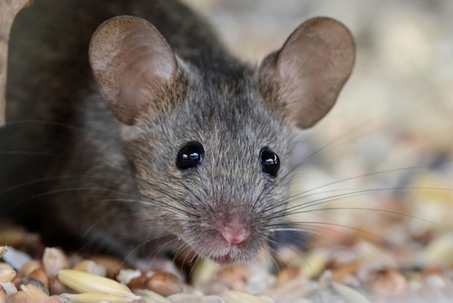
House mice (Mus musculus) are small, usually around 2.5–4 inches long (not including the tail). They have:
- Gray or light brown fur
- Large ears relative to their head
- A nearly hairless tail, typically the same length as their body
- Small, sharp claws for climbing and digging
Field mice (often deer mice) typically have:
- Two-tone fur (brown top, white belly)
- Larger, darker eyes
- A bi-colored tail
These differences make visual identification possible, especially when paired with track or droppings analysis.
Behavioral Habits of House Mice
Unlike field mice, house mice prefer indoor environments year-round. They thrive in hidden, warm, and dark spaces such as wall voids, attics, and pantries. They are:
- Nocturnal
- Curious explorers
- Constant chewers
- Quick reproducers
Their comfort around humans means they are far more likely to take up permanent residence inside your home.
Identifying House Mouse Droppings
Characteristics of House Mouse Droppings
House mouse droppings are:
- Small (⅛–¼ inch)
- Pointed at both ends
- Dark brown or black
- Scattered around food sources, nesting areas, and travel routes
Field mouse droppings look similar but are often slightly larger and more rounded at one end.
Differentiating House Mouse Droppings from Other Pests
- Rats: Larger, blunt-ended, banana-shaped droppings
- Cockroaches: Pepper-like specks
- Squirrels: Slightly larger, lighter droppings
If you notice frequent, fresh droppings, you likely have active house mouse activity, not field mice passing through.
House Mice Dietary Habits
Typical Diet of House Mice
House mice are omnivores but prefer:
- Grains
- Seeds
- Nuts
- Human food scraps
- Pet food
Food Preferences in a Household Setting
In homes, house mice typically target:
- Cereal boxes
- Bread
- Snack foods
- Dry pet food
- Unsealed pantry items
Their ability to survive on crumbs makes even “clean” homes vulnerable.
Risks of House Mouse Infestations
Diseases Transmitted by House Mice
House mice can carry:
- Salmonella
- Hantavirus (rare in house mice but possible)
- Lymphocytic choriomeningitis virus (LCMV)
- Parasites like fleas and mites
General Health Risks
They contaminate food surfaces, trigger allergies, and spread pathogens through urine, saliva, and droppings. At PPC Houston, we frequently see homeowners underestimate these risks until contamination becomes widespread.
Preventing House Mice Entry
Common Entry Points
House mice squeeze through openings as small as a dime, often entering through:
- Gaps around pipes
- Damaged vents
- Garage door gaps
- Foundation cracks
- Gaps under doors
- AC line penetrations
Tips for Sealing Entry Points
Homeowners can help prevent house mice from entering by installing door sweeps, repairing damaged weather stripping, sealing utility penetrations with a combination of steel wool and caulk, screening exterior vents, and fixing loose or deteriorating siding. Stopping entry is often the most effective long-term strategy, and PPC Houston provides thorough entry-point inspections to identify vulnerabilities that homeowners may overlook.
Signs of House Mouse Infestation
Visual Cues
- Fresh droppings
- Chew marks
- Grease smudges along walls
- Nesting material (shredded fabric, paper)
- Damaged food packaging
Auditory Indicators
Scratching, scurrying, and squeaking sounds—especially at night—often indicate activity inside walls or attics.
Effective Traps for House Mice
Types of Traps Available
- Snap traps – Fast and effective
- Live-catch traps – For humane relocation
- Glue boards – Not recommended due to humane and efficiency concerns
- Electronic traps – Quick, hygienic, high-success rate
Tips for Successful Trapping
- Use peanut butter, chocolate, or nesting materials as bait
- Place traps perpendicular to walls
- Use multiple traps at once
- Avoid touching traps with bare hands to limit scent transfer
PPC Houston technicians use targeted trap placement based on mouse travel patterns.
Humanely Removing House Mice
Humane Capture and Release Methods
Live traps allow mice to be caught and released outdoors. Place traps along travel routes and check daily.
Considerations When Relocating Mice
- Release at least 1 mile from your home
- Choose wooded or sheltered areas
- Clean and sanitize the original nesting area afterward
Keep in mind that humane relocation does not prevent re-entry—sealing access points is crucial.
Natural Remedies to Deter House Mice
Some homeowners use natural remedies to help deter house mice, including plant-based scents like peppermint oil, eucalyptus, and clove oil, as well as household options such as white vinegar, cotton balls soaked in strong essential oils, or ultrasonic devices (though their effectiveness varies). These natural deterrents can provide mild, short-term relief, but they should always supplement—not replace—professional prevention and exclusion methods.
Professional Elimination of House Mice
Common Professional Methods
- Strategic trap placement
- Entry-point sealing
- Habitat modification
- Sanitation recommendations
- Long-term monitoring
Follow-Up Procedures
Professionals may schedule check-ins to:
- Confirm all mice have been removed
- Replace or reset traps
- Reinspect sealed entry points
- Verify sanitation and safety
Bottom Line
House mice and field mice may seem similar, but house mice are uniquely adapted to living inside your home—making them a year-round challenge. Identifying, preventing, and removing these pests requires a combination of knowledge, proper tools, and thorough inspections.
If you’re seeing signs of mice in your home, don’t wait for the problem to escalate. Contact PPC Houston today for expert inspection, humane removal, and long-term prevention you can trust.